
On July 30, 2026, an avalanche struck the slopes of Broad Peak in the Karakoram Range in Pakistan and washed away ten climbers, one of them being Nirmal Purja “Nimsdai”, the Nepali-British mountaineer who had become one of the most well-known figures in modern climbing. The news spread all over the world within a short time, and on August 1st Purja’s expedition company confirmed what so many had feared, namely that none of the ten climbers had survived.
Purja was not just an ordinary high-altitude climber; he had been a former member of the British Gurkha regiment and the Special Force Service, and in 2019 he climbed all fourteen of the world’s 8,000-metre peaks in six months including Mt. Everest, an accomplishment which previously had taken mountaineers many decades. This achievement, subsequently described in the Netflix documentary 14 Peaks: Nothing Is Impossible, made him a well-known figure far beyond the climbing community.
The article walks through all that is currently known regarding the avalanche at Broad Peak: it looks at the timeline of events, identifies who was on the mountain, describes how the rescue operation progressed, explains what makes Broad Peak so hazardous from the start, and considers the legacy that Purja has left behind.
Table of Contents
Who Was Nirmal Purja?
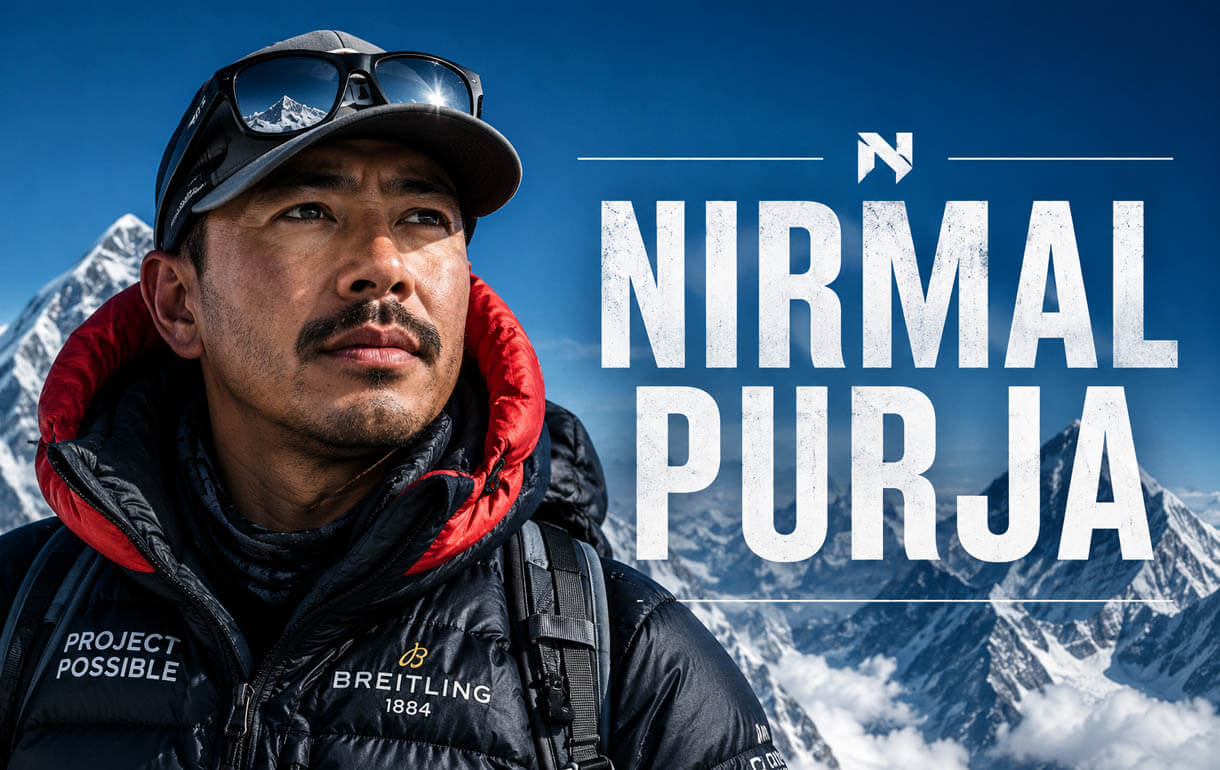
The famous mountaineer Nirmal Purja is better known by his nickname, “Nimsdai,” which he earned from fans and fellow climbers. Born in Nepal, later he joined the Brigade of Gurkhas in the British Army and finally the Special Force Service. Climbing became one of his endeavors much later, but once he started, he went about it with such enthusiasm that changed peoples’ ideas about what is physiologically possible at high altitudes.
His greatest achievements were:
- Completing all 14 of the world’s 8,000-meter peaks in record time.
- Leading numerous successful Himalayan expeditions.
- Rescuing climbers at extreme altitude.
- Promoting Nepal and the Sherpa climbing community on the world stage.
These were featured in the popular documentary 14 Peaks: Nothing Is Impossible, which inspired a new generation of mountaineers all around the globe.
About Broad Peak
Broad Peak has an elevation of 8,051 metres (26,414 ft) and is the world’s twelfth-highest mountain. It rises in Pakistan’s Gilgit-Baltistan region, part of the mighty Karakoram Range, and sits close enough to K2 that climbers often see both peaks from the same base camp. The border with China is just a stone’s throw away.
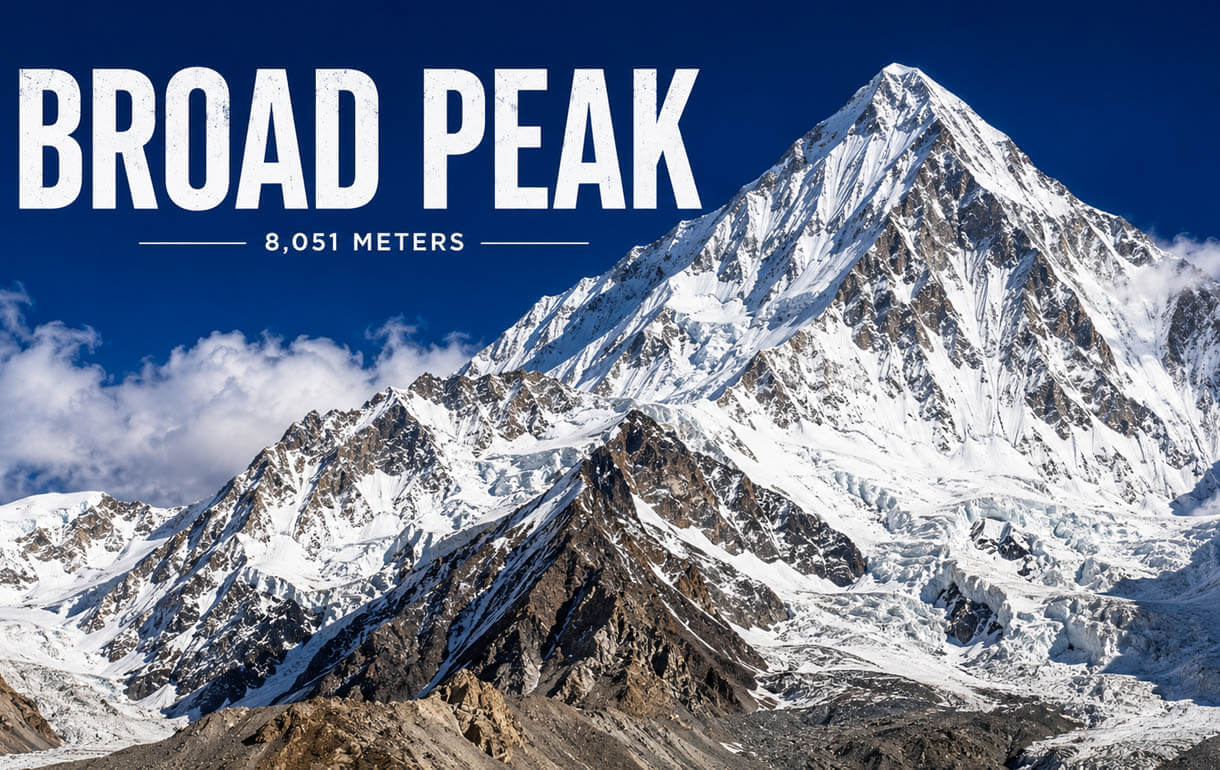
Among mountaineers, Broad Peak has earned a nickname: the “easier neighbor of K2.” And fair enough — technically speaking, it is a bit more forgiving. But don’t let that fool you into thinking it’s a walk in the park. The route between Camp 2 and Camp 3 winds across long, exposed snow slopes, and that stretch has a reputation for a reason. A fresh snowfall or a sudden swing in temperature can turn it into avalanche territory fast.
The 2026 Broad Peak Expedition
The 2026 expedition attracted worldwide attention due to the involvement of renowned climber Nirmal Purja.
Just like most expeditions to Himalayan or Karakoram regions, the climbers of 2026 spent weeks acclimatizing before attempting the climb. Usually, climbers form various camps and carefully analyze weather predictions before beginning their final climb to the summit.
As of now, official investigations into the matter are still being conducted and will be providing information regarding all aspects of the expedition.
What Happened During the Broad Peak Avalanche?
According to people, the expedition encountered a devastating avalanche during the climb.
Avalanches in the Karakoram can occur with little warning and are influenced by several natural factors, including:
- Heavy snowfall
- Wind-loaded slopes
- Rapid temperature changes
- Weak snow layers
- Ice and serac collapse
Due to the extreme altitude and difficult terrain, rescue operations become exceptionally challenging when an avalanche occurs.
Rescue Operations and Search Efforts
It is never easy to rescue individuals at heights exceeding 7,000 meters. The helicopters will have to ascend to certain heights before thinning of the atmosphere forces them to return. Once such heights are attained, the mission is left to the team working on the ground and high-altitude porters who are willing to venture back into the same hazardous conditions that had claimed ten lives.
The search teams worked hard for many days, trying to navigate through the snow, extreme cold and always wary of another avalanche hitting them. It took until early August to recover the remains of the ten mountaineers — a time period which, although shocking, is not uncommon in such an unfortunate event.
What Caused the Broad Peak Avalanche?
Avalanches rarely result from a single cause. Instead, they are usually triggered by a combination of environmental factors.
Possible contributing factors include:
Heavy Snow Accumulation
Fresh snow can create unstable layers that are prone to collapse.
Wind Loading
Strong mountain winds transport snow onto steep slopes, increasing avalanche danger.
Temperature Changes
Rapid warming or cooling can weaken snowpack stability.
Steep Terrain
Broad Peak contains numerous steep faces where avalanche risk naturally increases.
Natural Snowpack Instability
Even without human activity, weak layers within the snowpack may fail unexpectedly.
Official investigations may provide additional insight into the specific conditions surrounding the avalanche.
Challenges of Climbing Broad Peak
Reaching the summit of Broad Peak requires exceptional physical fitness, technical experience, and sound decision-making.
Major challenges include:
Extreme Altitude
Above 8,000 meters lies the “Death Zone,” where oxygen levels are insufficient to sustain the human body for extended periods.
Severe Weather
Conditions can change rapidly, bringing heavy snowfall, strong winds, and poor visibility.
Avalanche Hazard
Avalanches remain one of the greatest objective dangers throughout the climbing season.
Crevasses
Hidden glacier cracks pose significant risks during both ascent and descent.
Long Summit Day
Summit pushes often require many continuous hours in freezing temperatures, increasing fatigue and reducing safety margins.
Nirmal Purja’s Legacy in Mountaineering
The effort of Purja on changing perceptions about Nepalese and Sherpa mountaineers is difficult to overestimate. The media coverage in mountaineering for a long time had concentrated mostly on Western mountaineers and did not pay attention to local guides as anything but additional help. By actively challenging this perception, Purja created the conditions for young generations of Nepalese climbers to get recognition for themselves as talented and ambitious climbers.
Purja was also famous for leaving the summits unaccomplished several times in order to come to the aid of other climbers in trouble at great altitudes, which is why his death along with several guides and customers affected the climbing world so deeply.
Professional mountaineers, expedition companies, as well as government officials, paid tribute to Purja after his death. The government of Nepal recognized the climbers that have died, while outdoor companies from all over the world expressed their condolences to the man who showed people how to achieve outstanding results with self-discipline and determination.
Reactions from the Global Mountaineering Community
The mountaineering world responded with an outpouring of respect and condolences.
Professional climbers, expedition leaders, trekking companies, outdoor organizations, and adventure enthusiasts shared heartfelt tributes recognizing Nirmal Purja’s extraordinary contributions to the climbing community.
His impact extended far beyond Nepal, inspiring people from every corner of the world to dream bigger and climb higher.
Safety Lessons from the Broad Peak Avalanche
Every major mountain tragedy reinforces the importance of mountain safety.
Key lessons include:
- Respect changing weather conditions.
- Monitor avalanche forecasts carefully.
- Never underestimate objective hazards.
- Prioritize team communication.
- Turn back when conditions become unsafe.
- Employ experienced guides and proper risk management.
- Remember that no summit is worth a life.
Mountains will always be there, and wise decision-making remains the foundation of successful mountaineering.
Frequently Asked Questions (FAQ)
What happened on Broad Peak in 2026?
A major avalanche occurred during a climbing expedition on Broad Peak. Official reports should be consulted for the most accurate and up-to-date details as investigations continue.
How high is Broad Peak?
Broad Peak stands at 8,047 meters (26,401 feet), making it the world’s 12th-highest mountain.
Where is Broad Peak located?
Broad Peak is located in the Karakoram Range of Pakistan, near K2 and the China–Pakistan border.
Why is Broad Peak dangerous?
Its high altitude, avalanche-prone slopes, severe weather, crevasses, and long summit ridge make it one of the most challenging 8,000-meter mountains.
What is Nirmal Purja famous for?
Nirmal Purja is best known for climbing all 14 of the world’s 8,000-meter peaks in record time and for inspiring millions of young generation through his mountaineering achievements and leadership.
Final words
The Nirmal Purja Broad Peak avalanche is a sobering reminder of the immense power and unpredictability world’s highest mountains hold. While Broad Peak continues to attract ambitious climbers from across the globe, the tragedy highlights the importance of preparation, humility, and respect for nature.
Purja’s achievements have changed modern mountaineering and his story inspired countless adventurers to dream beyond perceived limits. His determination, leadership, and raw love for the mountains will always remain an enduring part of climbing history which will encourage future generations to go after their goals with courage but also keeping in mind that safety must always come first.


